
Originally Posted on October 16, 2016
In a dramatic step, 170 nations have signed on to ban heat-trapping hydrofluorocarbons (HFC'), used in millions of refrigerators and air-conditioners.
So hopeful.
See: http://www.nature.com/news/nations-agree-to-ban-refrigerants-that-worsen-climate-change-1.20810 for some background.
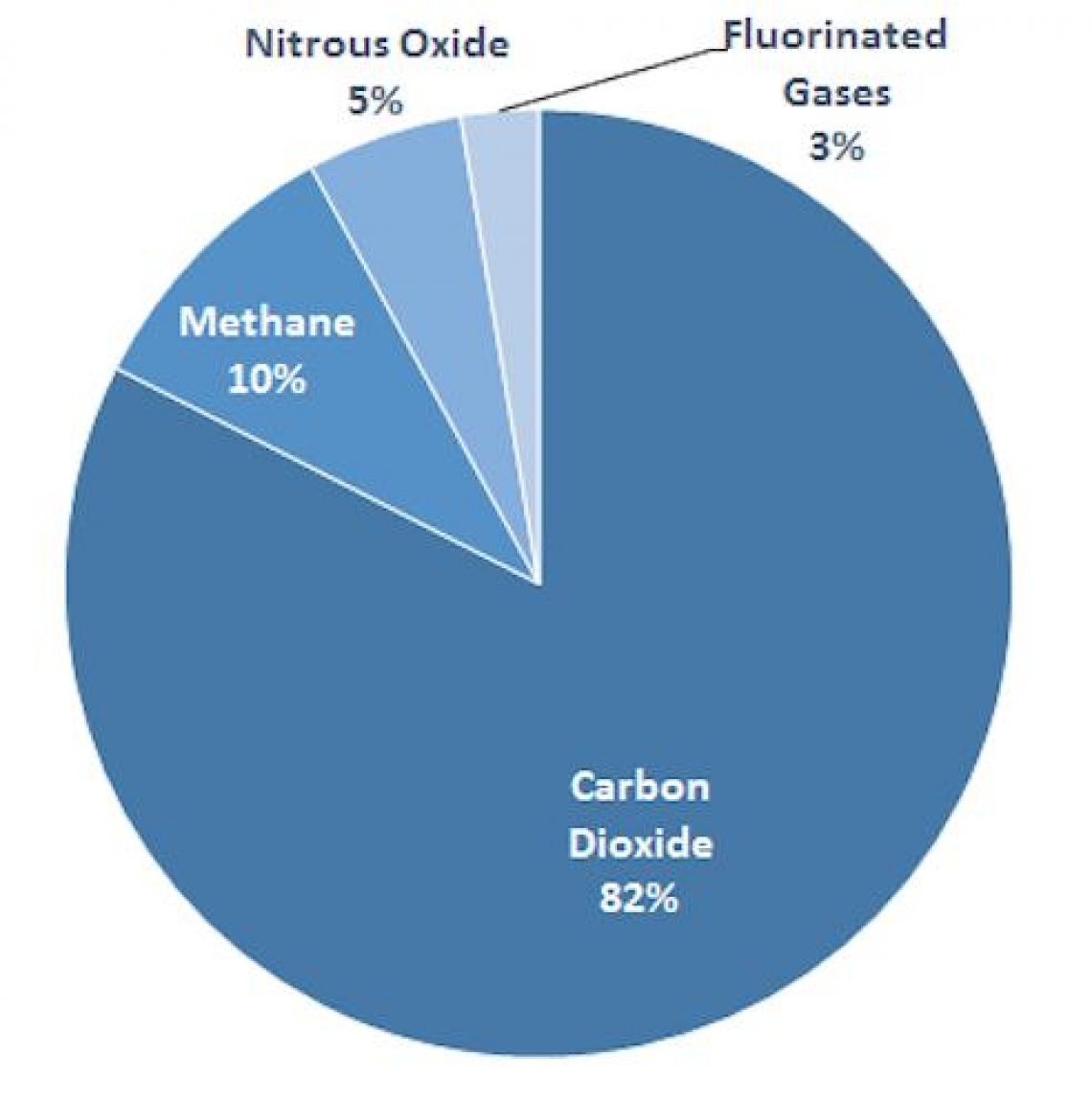
The move is critical as HFCs are highly potent greenhouse gases, thousands of times more powerful than carbon dioxide, and their use is soaring as air conditioners and other cooling devices become more affordable for consumers in emerging market economies with hot climates, a situation expected to worsen as global temperatures climb.
Kudos to the chemical industry which has developed viable alternatives to the HFC's.
The History:
HFCs are widely used in refrigerants and were designed to replace a different class of chemicals, chlorofluorocarbons (CFCs), which damage the ozone layer.
CFCs were phased out under the 1987 Montreal Protocol, one of the world’s most successful environmental treaties, and scientists say the thinning ozone layer over the Antarctic is now starting to heal.
But HFCs turned out to pose other problems: they are highly potent greenhouse gases
_____
The current deal, finalized on October 15th at a UN meeting in Kigali, Rwanda, could reduce projected HFC emissions by as much as 88% over the course of the 21st century.
That alone is very good new, but perhaps more encouraging is the trend toward international agreement on the urgency for action re #Climate
Are we at the front edge of a #Breakaway ?
May it be so
Make it be so