
PolicyMatters

Originally Posted on September 21, 2016
Henry Paulson is, formerly, Treasury secretary and chief executive of Goldman Sachs
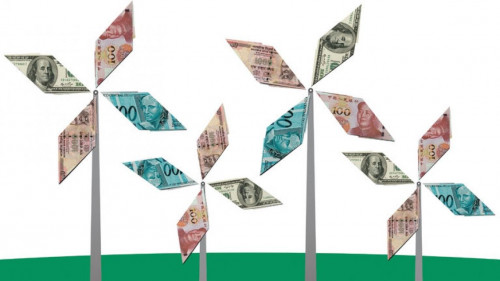
He posted an opinion in the Times yesterday titled, How to Raise Trillions for Green Investments. Catches the eye, right?
The article is here: http://www.nytimes.com/2016/09/20/opinion/how-to-raise-trillions-for-green-investments.html
and starts with this:
SAVING our planet from the worst effects of climate change won’t be cheap. A new report from the United Nations says that the world will need to mobilize $90 trillion in public and private capital over the next 15 years.
The key he goes on to say is use public policy to create the environment that makes private invetment in sustainable solutions appealing.
His case study is China which "has taken important steps in this direction and has declared green finance a 'strategic imperative.' ”
The bottom line, the full investment we need to make exceeds the capacity for governments to go this alone.
___
One thing jumps to mind: how do we keep the financial rewards from going right to the top point 1 %?
The Opinion piece itself is recommended reading.
A scan of the 252 comments, even more so. They range from "he's a scoundrel", to "alright then, how do we get this done" and everything in between.
It's a window on the conversations we all need to be having, if we are to save the world.
___
I'm not at all sure the details of Henry Paulson's vision or plan is THE solution. But I do buy the premise that policies that create big, really big, thriving markets for sustainable solutions could be just the ticket.
Circling back:
SAVING our planet from the worst effects of climate change won’t be cheap
Originally Posted on August 24, 2016
From our Twitter feed this morning:
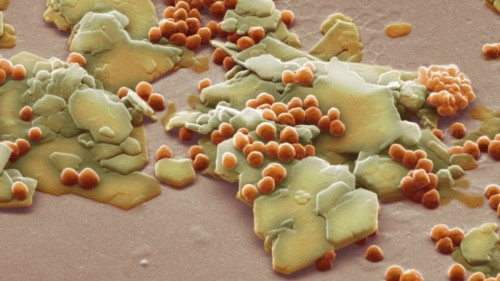
BBC News - MPs call for ban on plastic microbeads http://www.bbc.com/news/science-environment-37161479 #CleanSeas #CommonSense
"Microbeads are used in cosmetics, including toothpaste, to add body and provide abrasion"
"There is evidence microplastics are being ingested by zooplankton" - at the bottom of the food chain, then work their way up.
This reached us: @UNEP => http://www.bbc.com/news/science_and_environment
Members of Parliament => Members of the US Congress => a world wide ban
Let's stay alert for ways to champion this.